Marine Safety Equipment Every Boat Owner Should Invest In

Introduction

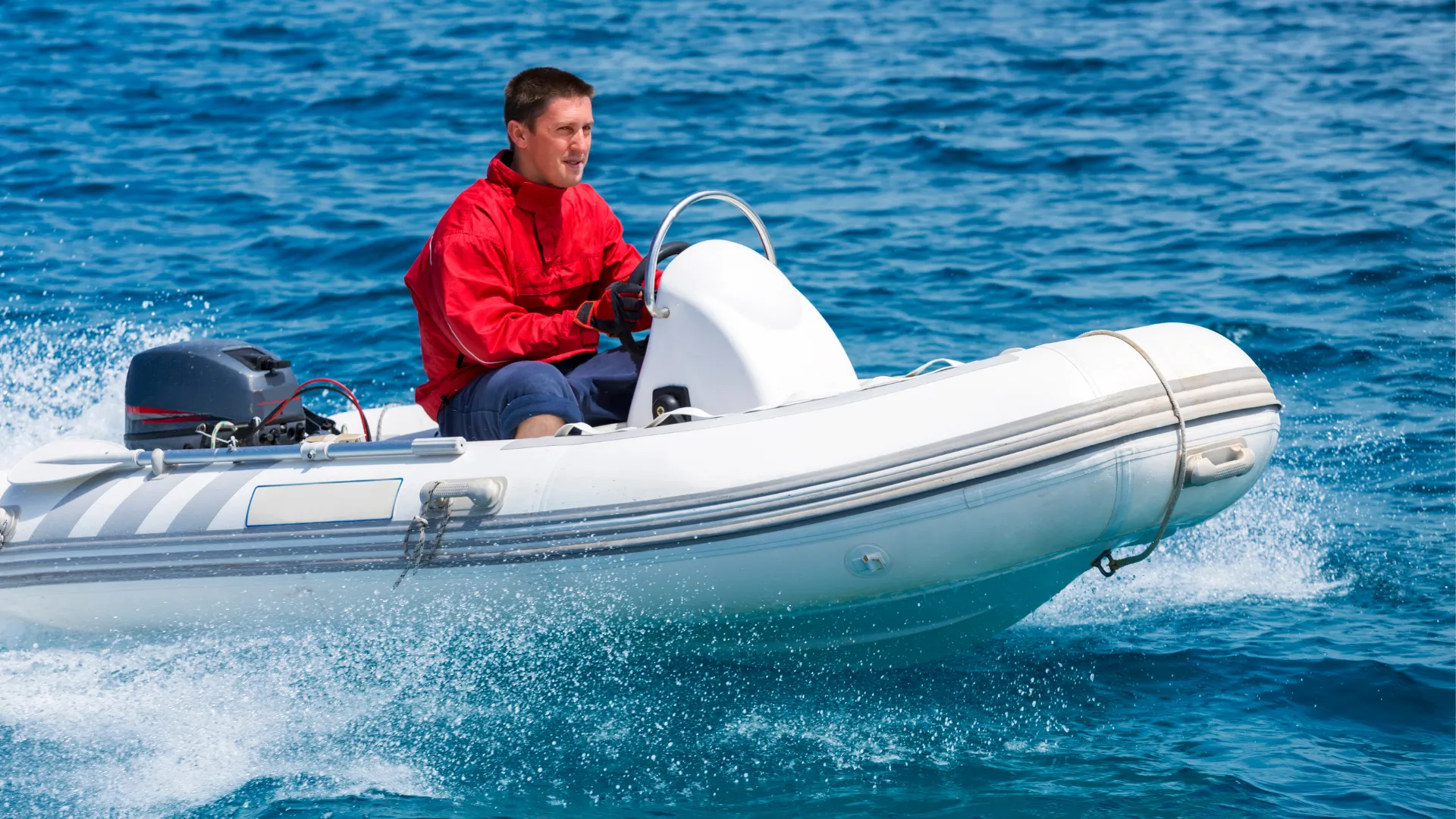
Best Marine equipment distributors OMAN Whether you own a small fishing boat, a luxury yacht, or a commercial vessel, investing in high-quality marine safety equipment is one of the most important decisions you can make. While modern boats are designed with advanced technology and durable materials, unexpected situations can still arise at sea. Rough weather, mechanical failures, onboard fires, or accidental falls overboard can quickly turn a routine journey into an emergency. Having the right marine safety equipment onboard not only helps protect passengers and crew but also ensures compliance with maritime safety regulations.

Boat owners often focus on navigation systems, engines, and entertainment features, but safety equipment should always be the highest priority. Reliable marine safety products provide peace of mind and can significantly improve the chances of a safe outcome during emergencies. Whether you operate in coastal waters or offshore environments, proper preparation is essential.

Why Marine Safety Equipment Is Essential

Marine environments are unpredictable, making safety equipment an essential part of every vessel. Calm waters can rapidly become rough due to changing weather conditions, and even experienced captains may encounter unexpected hazards. Properly selected safety equipment enables quick responses to emergencies, minimizes risks, and helps protect lives.

Investing in certified marine safety products also reduces operational downtime and helps boat owners meet local and international maritime regulations. For commercial vessels, having approved safety equipment is often mandatory, while recreational boat owners benefit from increased confidence and preparedness during every trip.

Life Jackets Save Lives

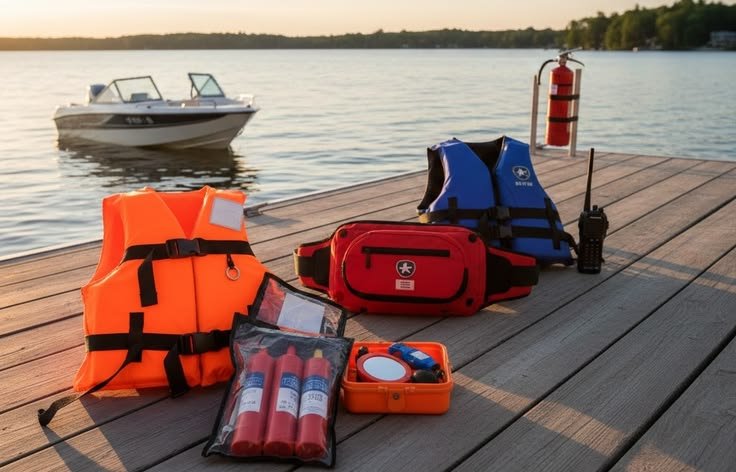
Life jackets remain the most important piece of marine safety equipment on any vessel. Every passenger should have access to a properly fitted, approved life jacket before leaving the dock. Modern marine life jackets are lightweight, comfortable, and designed to provide maximum buoyancy without restricting movement.

Different boating activities require different types of life jackets. Offshore journeys, recreational boating, fishing trips, and water sports each have specific flotation requirements. Choosing high-quality life jackets ensures better protection during emergencies.

Lifebuoys and Throwable Flotation Devices

In situations where someone falls overboard, a lifebuoy or throwable flotation device provides immediate assistance while rescue procedures begin. These devices are designed to keep individuals afloat until they can be safely recovered.

Boat owners should ensure flotation devices remain easily accessible and are regularly inspected for wear, damage, or exposure to harsh marine conditions.
Best Marine equipment distributors OMAN
Screenshot

Marine Fire Extinguishers

Fire is one of the most dangerous emergencies onboard a vessel. Fuel systems, electrical equipment, cooking appliances, and engine compartments all present potential fire hazards. Marine-grade fire extinguishers are specially designed to handle these risks and should be strategically placed throughout the vessel.

Routine inspection and maintenance ensure fire extinguishers remain fully charged and ready for immediate use when required.

Emergency Position Indicating Radio Beacons

Emergency Position Indicating Radio Beacons (EPIRBs) play a vital role during offshore emergencies. These devices transmit distress signals along with the vessel’s location to international search and rescue authorities.

Modern EPIRBs activate automatically upon contact with water or can be manually activated during emergencies, allowing rescue teams to locate vessels much faster than traditional communication methods.

Marine First Aid Kits

Best Marine equipment distributors OMAN Every boat should carry a comprehensive marine first aid kit equipped to handle injuries that may occur at sea. Unlike standard first aid kits, marine versions include supplies specifically selected for the challenges of offshore environments.

Essential items include bandages, antiseptics, burn treatments, medications, waterproof dressings, scissors, gloves, and emergency blankets. Regularly checking expiration dates ensures the kit remains ready for use.

Marine VHF Radio Communication Systems

Reliable communication is critical during emergencies. Best Marine equipment distributors OMAN Marine VHF radios allow boat owners to communicate with nearby vessels, marinas, coast guards, and rescue authorities.

Unlike mobile phones, marine radios operate even when cellular networks are unavailable, making them one of the most dependable communication tools at sea.

Distress Signals and Flares

Visual distress signals remain an important component of marine emergency preparedness. Marine flares, smoke signals, and emergency signal devices help rescuers identify vessels requiring assistance during both daytime and nighttime operations.

Boat owners should regularly replace expired flares and ensure crew members understand how to use them safely.

Bilge Pumps Protect Against Flooding

Water entering a vessel can quickly become dangerous if not removed efficiently. Marine bilge pumps automatically or manually remove accumulated water from the hull, helping maintain vessel stability and reducing the risk of sinking.

Best Marine equipment distributors OMAN Many modern vessels include automatic bilge pump systems that activate whenever water reaches predetermined levels.

Navigation Lights and Signaling Equipment

Proper navigation lighting improves visibility and helps prevent collisions, particularly during night operations or poor weather conditions. Boats should always carry functioning navigation lights, signal horns, whistles, and searchlights.

Regular maintenance ensures these systems perform reliably whenever visibility becomes limited.

Marine Survival Equipment

For offshore voyages, additional survival equipment provides an extra layer of protection. Life rafts, emergency food supplies, drinking water, thermal blankets, survival suits, and emergency tool kits become invaluable during extended emergencies.

Commercial vessels often carry comprehensive survival packages that meet international maritime safety standards, while recreational boat owners should choose equipment appropriate for their operating areas.

Regular Inspection and Maintenance Matter

Owning quality marine safety equipment is only the first step. Regular inspections ensure every safety device functions correctly when needed. Batteries should be replaced, life jackets checked for damage, radios tested, fire extinguishers serviced, and emergency beacons inspected according to manufacturer recommendations.

Routine maintenance significantly improves reliability and extends the lifespan of marine safety products.

Choosing a Trusted Marine Equipment Supplier

Best Marine equipment distributors OMAN Purchasing marine safety equipment from an experienced supplier ensures product quality, authenticity, and compliance with recognized safety standards. Trusted distributors offer products from leading marine manufacturers, helping boat owners select equipment suited to recreational boats, fishing vessels, luxury yachts, commercial ships, and offshore operations.

Working with knowledgeable marine equipment specialists also provides access to technical advice, installation support, maintenance guidance, and after-sales service.

Conclusion

Marine safety should never be viewed as an optional investment. Every boat owner has a responsibility to ensure that passengers, crew, and the vessel are protected against unexpected emergencies. From life jackets and fire extinguishers to communication systems, emergency beacons, and survival equipment, each safety product plays an important role in reducing risk at sea.

By investing in high-quality marine safety equipment and maintaining it regularly, boat owners can enjoy every voyage with greater confidence, knowing they are prepared for whatever the marine environment may bring.
Understanding Marine Equipment Warranties and Support Services

Marine Equipment Warranties and Support Services Marine equipment is a significant investment for shipyards, commercial vessel operators, yacht builders, offshore companies, and boat owners. Whether purchasing navigation systems, marine electrical equipment, communication devices, safety products, or engine components, customers expect reliable performance, long service life, and dependable support. However, even the highest-quality marine equipment requires proper maintenance, technical assistance, and warranty protection to ensure optimal operation.

Understanding marine equipment warranties and support services is essential for making informed purchasing decisions. A comprehensive warranty not only protects your investment but also reflects the manufacturer’s confidence in the quality of its products. Combined with professional after-sales support, technical expertise, and maintenance services, warranty coverage helps vessel owners reduce downtime, minimize repair costs, and maintain safe and efficient marine operations.

This guide explains the importance of marine equipment warranties, the different types of warranty coverage available, and why reliable support services are just as important as the products themselves.

What Is a Marine Equipment Warranty?

A marine equipment warranty is a commitment provided by the manufacturer or authorized distributor that guarantees the quality and performance of a product for a specified period. If the equipment experiences defects related to materials or manufacturing during the warranty period, the manufacturer may repair, replace, or service the product according to the warranty terms.

Warranty coverage provides customers with confidence that their marine equipment has been manufactured to high-quality standards and has undergone appropriate testing before reaching the market.

While warranty conditions vary depending on the product and manufacturer, most warranties cover manufacturing defects rather than damage caused by improper installation, misuse, neglect, or unauthorized modifications.

Why Marine Equipment Warranties Are Important

Marine environments are among the harshest operating conditions for any equipment. Constant exposure to saltwater, humidity, vibration, heavy loads, and changing weather conditions places significant stress on marine systems.

A reliable warranty offers peace of mind by protecting customers against unexpected manufacturing defects and reducing the financial burden of repairs or replacements.

Beyond financial protection, warranties demonstrate the manufacturer’s commitment to product quality and customer satisfaction. Companies that stand behind their products often maintain strict quality control standards and provide comprehensive technical support throughout the equipment’s lifecycle.

For commercial vessel operators, warranty coverage can also reduce operational disruptions by ensuring that defective equipment is repaired or replaced as quickly as possible.

Types of Marine Equipment Warranties

Marine equipment manufacturers offer different types of warranty coverage depending on the product category and intended application.

Manufacturer Warranty

A manufacturer warranty is the most common type of coverage. It protects customers against defects in materials or workmanship for a specified period after purchase.

This warranty typically covers repairs or replacements when equipment fails under normal operating conditions due to manufacturing defects.

Limited Warranty

Limited warranties cover only specific components or certain types of failures. Customers should carefully review the warranty documentation to understand what is included and excluded.

Limited warranties may have restrictions regarding installation requirements, maintenance schedules, or operating conditions.

Extended Warranty

Some manufacturers and authorized distributors offer extended warranty programs that provide protection beyond the standard warranty period.

Extended warranties are particularly valuable for commercial vessels and offshore operations where equipment reliability is essential for uninterrupted operations.

Service Warranty

Service warranties apply to installation, repair, or maintenance work performed by authorized service providers.

These warranties ensure that service work meets professional standards and that any issues arising from the completed service will be addressed appropriately.

What Marine Equipment Warranties Usually Cover

Although coverage varies among manufacturers, most marine equipment warranties include protection for:

  • Manufacturing defects
  • Faulty materials
  • Assembly defects
  • Electrical component failures caused by manufacturing issues
  • Replacement of defective parts
  • Repair services performed under warranty terms

Customers should always review warranty documents carefully to understand the scope of coverage before making a purchase.

Building Long-Term Customer Relationships

Leading marine equipment suppliers understand that successful business relationships extend far beyond the initial sale.

Providing responsive customer service, technical expertise, timely warranty support, and reliable maintenance assistance builds trust and encourages long-term partnerships.

Customers are more likely to continue working with suppliers who consistently deliver dependable products backed by exceptional service.

Conclusion

Marine equipment warranties and support services are essential components of a successful marine investment. While high-quality products provide reliable performance, comprehensive warranty protection and professional after-sales support ensure that equipment continues operating safely and efficiently throughout its lifecycle.

Yacht Refit Services in Dubai: When Is the Right Time?

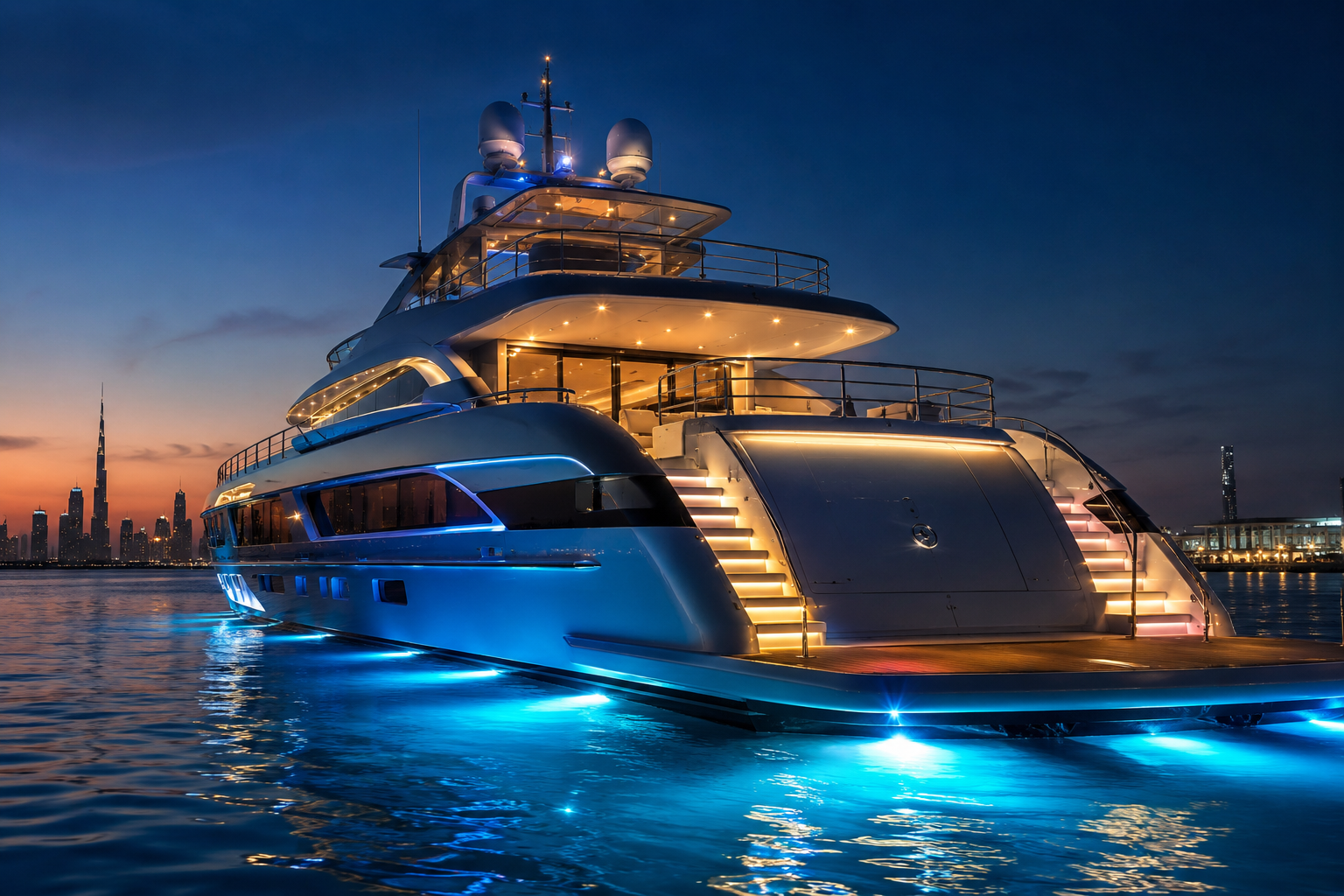
Vessel ownership in the Gulf provides an unmatched opportunity to enjoy some of the most lavish cruising destinations in the world. Yet the extreme weather in the area with its extremely hot summer weather, high relative humidity, and high levels of marine salinity pose tremendous strain on hull coating, marine electronics, and marine propulsion system. If you want to retain the market value and have perfect operational safety of your vessel, timing is crucial.

When planning an overall refurbishment and redesigning, one has to consider both the cruising time frame and shipyard availability. Getting the best boat refitting Dubai at the right time will help avoid any small problems leading to more serious issues. The following is the definitive guide that explains the right time for a minor refit, major overhaul frequency, and shipyards season in Dubai.

What Is a Yacht Refit?

Yacht refit refers to the extensive modification, restoration, upgrade, or repair work done on an existing yacht. In contrast to regular washdowns and liquid changes that are performed on a weekly basis, a yacht refit involves extensive renovations, both technically and aesthetically. Such renovations may involve marine engineering, hull modification, luxury yacht interior design, and navigation array installation.

When Is the Best Time to Schedule a Yacht Refit in Dubai?

The ideal window to book a yacht renovation in Dubai runs from May to September. While this timing seems counterintuitive due to extreme summer heat, it aligns perfectly with the regional maritime operational cycle.

The Seasonal Strategy Break Down

  • The Cruising Off-Season: Winter (October to April) is peak charter and private cruising season in the UAE. Undertaking major aesthetic or mechanical overhauls during these months robs you of prime time on the water.
  • Maximizing Down-Time: Booking your boat refit services during the blistering summer months ensures your vessel is dry-docked or undergoing interior modifications when it is too hot for comfortable open-sea cruising anyway.
  • Shipyard Dynamics: Securing space at premium facilities like Dubai Maritime City or Jadaf early in the spring guarantees your project wraps up before the autumn season commences.

How Often Does a Yacht Require a Refit?

Vessel lifecycles are dictated by operational hours and exposure to harsh conditions. The table below outlines standard industrial timelines for executing predictive yacht maintenance and structural overhauls in the Middle East.

Yacht Maintenance and Refit Lifecycle Timeline

TimelineProject ScopePrimary Focus AreasExpected Value Retention
Annual MaintenanceMinor Yacht RefurbishmentAntifouling paint, sacrificial anode replacement, raw water strainer cleaning, and teak conditioning.Essential baseline protection against aggressive barnacle growth.
3 to 5 YearsMid-Lifecycle RenovationElectronics upgrades, upholstery renewal, marine generator overhaul, and minor layout modifications.Modernizes aesthetic appeal; prevents tech obsolescence.
10+ YearsMajor Structural & Mechanical RefitComplete engine rebuilds, hull blasting, structural aluminum/GRP repairs, and bespoke luxury yacht interiors redesign.Restores a classic vessel to zero-hour mechanical condition; resets depreciation curve.

Why Should You Invest in a Professional Yacht Renovation?

Delaying a structural update or cosmetic overhaul code-names future financial trouble. Investing in timely boat restoration yields three distinct advantages:

  • Combating Galvanic and Environmental Damage: The high salinity of the Arabian Gulf accelerates crevice corrosion in non-isolated stainless steel components. Regular refits catch these hidden material threats early.
  • Drastic Information Gain on Assets: A modern refit replaces outdated diesel monitoring arrays with integrated NMEA 2000 digital switching systems, giving captains real-time diagnostic transparency.
  • Substantial Residual Value Retention: A well-documented maintenance history backed by certified equipment installations ensures a premium asking price on the brokerage market.

Common Mistakes to Avoid When Planning a Yacht Refit

Navigating a massive structural project is notoriously complex. Avoid these three common pitfalls frequently seen by our technical specialists:

  • Underestimating the Procurement Lead Time: Ordering specialized marine hardware during the project kick-off creates immediate bottlenecks. Source your components from an established regional provider like Empire Marine before cutting into the hull or stripping out old components.
  • Automotive Grade Material Substitution: Using standard residential wood or domestic vinyl inside a marine cabin leads to rapid mold infestation and warping. True yacht interiors require marine-plywood backings and marine-grade fabrics treated with specialized antimicrobial protective coatings.
  • Skipping Class Society Compliance: For larger vessels, changing interior layouts or major electrical distributions without consulting surveyors from classification entities like DNV or Lloyd’s Register will instantly invalidate your maritime insurance policy.

A Step-by-Step Checklist for Your Dubai Yacht Refit

Executing a seamless, on-budget renovation requires a disciplined timeline. Follow these five procedural steps:

  1. Conduct a Comprehensive Condition Survey: Hire an independent marine surveyor to run ultrasonic hull thickness tests, engine oil spectroscopy analyses, and thermal imaging on your electrical switchboards.
  2. Lock In Your Sourcing Strategy: Partner with a verified marine equipment provider to secure certified pumps, windlasses, lighting fixtures, and anchors well in advance.
  3. Draft a Clear Scope of Work (SOW): Avoid vague contracts. Document every single task down to the exact paint brand, millimeter thickness of replacement cables, and specific plumbing layouts.
  4. Execute the Demolition and Mechanical Stage: Strip out failed items, repair localized structural fiberglass or steel, overhaul the engine room mechanics, and update critical underlying plumbing.
  5. Perform Rigorous Sea Trials: Never consider a refit finished until you perform a series of high-load sea trials outside Dubai’s marinas, checking for unexpected vibrations, electrical interference, or temperature spikes.

Future Trends: The Next Generation of Yacht Refits

There is tremendous evolution happening within the marine industry. There is an ever increasing trend within modern refits to have sustainable luxury and emissions-free operation. The emergence of huge lithium-ion battery packs used to run silent overnight air conditioning without a need for a diesel engine is at all-time high. Moreover, there are intelligent yacht automation systems, environmentally friendly hull coatings, and composite construction becoming prevalent among modern yachts owners’ upgrade requests.

Secure Your Yacht’s Legacy with Empire Marine

Renovation calls for dependable logistical support. Through Empire Marine, we bring in the critical logistic support that will be needed for top-notch yacht renovation services, where you gain easy access to international marine equipment, tough electrical parts, and heavy duty accessories. Say goodbye to unnecessary wait times from international shipping.

The Growing Marine Industry in the Middle East: Trends and Opportunities

Marine Equipment Middle East has emerged as one of the world’s fastest-growing maritime regions, driven by strategic geographical positioning, world-class ports, expanding shipbuilding capabilities, and increasing investments in marine infrastructure. Located at the crossroads of major international shipping routes, the region plays a vital role in connecting Asia, Europe, and Africa through efficient maritime trade and logistics.

Marine Equipment Middle East
Oilfield equipment suppliers in the UAE provide a wide range of high-quality products and services to support the oil and gas industry. These suppliers cater to exploration, drilling, production, and maintenance operations, offering equipment such as drilling rigs, pipelines, valves, pumps, safety gear, and more. Known for their reliability and adherence to international standards, these companies often partner with global manufacturers to supply advanced technology and ensure operational efficiency. Many also provide customized solutions, after-sales support, and logistics services to meet the unique demands of the region's thriving oil and gas sector.

In recent years, the demand for high-quality marine equipment, advanced navigation systems, marine safety products, and vessel maintenance solutions has grown significantly. Commercial shipping companies, offshore operators, yacht owners, shipyards, and marine service providers are continuously seeking reliable marine solutions that improve operational efficiency, safety, and long-term performance.As governments continue investing in port modernization, tourism, offshore energy, and maritime technology, the Middle East presents enormous opportunities for businesses involved in marine equipment distribution, marine engineering, and vessel support services.

The Strategic Importance of the Middle East in Global Maritime Trade

The Middle East occupies one of the most important positions in international maritime transportation. Every year, millions of tons of cargo pass through the region’s ports, making it a critical hub for global commerce.

Its location allows vessels to efficiently connect major international markets while supporting industries such as oil and gas, manufacturing, construction, tourism, fisheries, and offshore exploration. This strategic advantage has encouraged continuous investments in port expansion, logistics infrastructure, and maritime services.

Modern ports equipped with advanced cargo handling systems, smart logistics technologies, and efficient customs operations have further strengthened the region’s position as a leading maritime destination.

Rapid Growth of Marine Infrastructure

One of the biggest drivers of the marine industry’s growth is the continuous development of marine infrastructure. Governments and private investors are allocating significant resources to improve ports, marinas, shipyards, and offshore facilities.

New commercial ports, luxury marinas, dry docks, and maintenance facilities are being developed to accommodate increasing vessel traffic and larger ships. These infrastructure projects require a wide range of marine equipment, electrical systems, navigation technologies, safety products, and specialized marine accessories.

As infrastructure expands, suppliers of marine equipment have greater opportunities to support both new construction projects and ongoing maintenance operations.

Rising Demand for High-Quality Marine Equipment

As vessels become more technologically advanced, the demand for premium marine equipment continues to increase throughout the Middle East.

Shipyards require reliable electrical systems, navigation equipment, communication devices, deck hardware, pumps, marine lighting, and engine components during vessel construction. Commercial fleet operators depend on durable marine products that minimize downtime and improve operational efficiency.

Yacht builders and private boat owners also seek premium marine accessories that enhance comfort, safety, and performance while maintaining luxury standards.

The growing focus on quality has encouraged marine businesses to partner with internationally recognized manufacturers that deliver certified and dependable marine products.

Expansion of the Yacht and Recreational Boating Market

Luxury tourism and recreational boating have become major contributors to the region’s marine economy. The increasing number of waterfront developments, luxury marinas, and coastal tourism destinations has fueled demand for yachts, leisure boats, and marine leisure services.

Boat owners are investing in advanced navigation systems, entertainment equipment, electrical solutions, marine furniture, lighting systems, anchoring equipment, and safety accessories to enhance their boating experiences.

The growing popularity of recreational boating has also increased the need for maintenance services, spare parts, marine electronics, and specialized marine equipment suppliers capable of supporting both new and existing vessels.

Growth of Offshore Industries

The Middle East remains one of the world’s leading regions for offshore oil and gas exploration. Offshore platforms, support vessels, and supply ships require specialized marine equipment capable of operating in demanding environments.

Marine electrical systems, automation technologies, communication equipment, navigation systems, firefighting solutions, and emergency safety equipment play essential roles in offshore operations.

As offshore energy projects continue to expand, marine solution providers have significant opportunities to supply high-performance equipment that meets strict industry standards.

Advancements in Marine Technology

Technology is transforming every aspect of maritime operations throughout the Middle East.

Marine Equipment Middle East Modern vessels increasingly rely on integrated navigation systems, digital monitoring platforms, automation technologies, and real-time communication networks to improve efficiency and safety.

Marine Equipment Middle East Artificial intelligence, predictive maintenance, remote diagnostics, and smart vessel management systems are helping operators reduce operational costs while improving reliability.

Marine businesses that offer innovative technologies alongside quality equipment are well positioned to meet the evolving needs of commercial and recreational customers.

Increased Focus on Maritime Safety

Safety has become one of the highest priorities across the marine industry.

Commercial shipping companies, offshore operators, and yacht owners are investing in advanced marine safety equipment to protect crew members, passengers, cargo, and vessels.

Essential safety solutions include life-saving appliances, marine firefighting systems, emergency communication devices, navigation lights, distress signaling equipment, and onboard monitoring systems.

By adopting internationally recognized safety standards, maritime organizations can reduce operational risks while maintaining regulatory compliance.

Sustainable Growth and Environmental Responsibility

Environmental sustainability is becoming an increasingly important focus within the marine industry.

Shipping companies and vessel owners are adopting environmentally responsible practices that reduce fuel consumption, emissions, and environmental impact.

Energy-efficient marine lighting, advanced propulsion technologies, waste management systems, water treatment equipment, and environmentally friendly marine products are becoming standard features across many vessels.

The growing emphasis on sustainability creates new opportunities for marine equipment suppliers that offer innovative and eco-friendly solutions.

The Importance of Reliable Marine Equipment Suppliers

The success of any marine project depends heavily on the quality of the equipment used.

Reliable marine suppliers provide customers with access to internationally recognized brands, certified products, technical expertise, and after-sales support. Whether serving commercial vessels, luxury yachts, offshore operations, or shipbuilding projects, dependable suppliers help customers select equipment that meets operational requirements while ensuring long-term reliability.

Working with experienced marine distributors also ensures faster product availability, competitive pricing, and access to a broad portfolio of marine solutions from leading global manufacturers.

Opportunities for Shipyards and Boat Builders

The continued expansion of the maritime industry creates exciting opportunities for shipyards and boat builders throughout the Middle East.

Growing demand for commercial vessels, patrol boats, offshore support vessels, fishing boats, luxury yachts, and recreational boats requires advanced construction technologies and premium marine components.

Shipbuilders increasingly depend on trusted marine equipment partners capable of supplying navigation systems, electrical equipment, propulsion components, deck hardware, communication systems, safety products, and marine accessories under one roof.

Strong supplier relationships help improve project timelines, reduce procurement challenges, and enhance construction quality.

Digital Transformation in Maritime Operations

Digitalization is reshaping the future of the maritime industry.

Cloud-based fleet management, vessel tracking, predictive maintenance, smart sensors, automated reporting, and integrated operational platforms enable marine operators to improve decision-making and optimize vessel performance.

Real-time monitoring allows operators to identify maintenance needs before failures occur, reducing downtime and extending equipment life.

Businesses that embrace digital technologies alongside traditional marine expertise will remain competitive in the evolving maritime landscape.

Why Quality Matters More Than Ever

As marine operations become increasingly sophisticated, the importance of using high-quality equipment cannot be overstated.

Premium marine products offer superior durability, greater operational efficiency, reduced maintenance costs, and improved safety. Investing in trusted brands ensures reliable performance even in challenging marine environments where equipment is exposed to saltwater, humidity, vibration, and extreme weather conditions.

Choosing certified marine equipment also supports compliance with international maritime standards while protecting valuable vessel assets.

The Future of the Marine Industry in the Middle East

The future of the Middle East’s marine industry looks exceptionally promising. Continued investments in ports, maritime infrastructure, tourism, offshore energy, logistics, and smart marine technologies will drive sustained growth across the sector.

Demand for advanced marine equipment, innovative vessel technologies, safety systems, and comprehensive marine solutions is expected to increase as businesses modernize their operations and expand their fleets.

Companies that provide reliable products, global brands, technical expertise, and customer-focused service will play an increasingly important role in supporting the region’s maritime development.

Conclusion

The Middle East has established itself as one of the world’s most dynamic maritime markets, offering significant opportunities for shipyards, vessel operators, yacht builders, offshore companies, and marine equipment suppliers. With ongoing investments in infrastructure, technology, safety, and sustainability, the region continues to strengthen its position as a global maritime hub.

For businesses seeking dependable marine solutions, partnering with an experienced supplier that offers internationally recognized marine equipment, competitive pricing, and comprehensive industry expertise ensures long-term operational success. Marine Equipment Middle East As the marine industry continues to evolve, quality products, innovative technologies, and reliable support will remain the foundation of safe, efficient, and profitable maritime operations.

Why Professional Marine Electrical Services Are Essential for Modern Ships

Professional Marine Electrical Services Modern ships rely on advanced electrical systems to power navigation equipment, communication devices, propulsion support systems, automation controls, lighting, safety equipment, and onboard facilities. As maritime technology continues to evolve, the importance of professional marine electrical services has become greater than ever. Whether operating commercial cargo vessels, offshore platforms, passenger ships, fishing boats, or naval vessels, maintaining reliable electrical systems is essential for ensuring safe, efficient, and uninterrupted operations at sea.

Professional Marine Electrical Services

Professional marine electrical services provide specialized expertise in the installation, maintenance, inspection, repair, and modernization of marine electrical systems. Unlike conventional electrical work, marine electrical engineering requires extensive knowledge of maritime regulations, harsh environmental conditions, and complex onboard electrical networks. Skilled marine electricians understand how saltwater exposure, humidity, vibration, and continuous vessel movement affect electrical equipment and are trained to deliver solutions that withstand these demanding conditions.

The Importance of Reliable Marine Electrical Systems

Every vessel depends on a stable electrical infrastructure to operate efficiently. Electrical systems power essential equipment including navigation systems, radar, GPS, communication devices, engine monitoring systems, cargo handling equipment, emergency lighting, fire detection systems, alarms, and onboard automation. Even a minor electrical fault can disrupt operations, increase operational costs, or compromise the safety of the crew and cargo.

Professional marine electrical services ensure that every component functions reliably through regular inspections, preventive maintenance, and timely repairs. Professional Marine Electrical Services By identifying potential issues before they become major failures, marine electrical experts help vessel owners reduce downtime and improve overall operational reliability.

Comprehensive Marine Electrical Installation Services

Proper installation is the foundation of an efficient marine electrical system. Professional marine electrical services include the installation of switchboards, generators, transformers, power distribution panels, circuit breakers, control panels, cables, lighting systems, automation equipment, navigation electronics, and communication systems.

Each installation is carefully planned to meet the vessel’s operational requirements while complying with international marine safety standards. High-quality installation minimizes electrical losses, improves system performance, and supports long-term reliability in challenging marine environments.

Marine Electrical Maintenance for Long-Term Performance

Routine maintenance is one of the most important aspects of marine electrical services. Continuous exposure to moisture, salt spray, temperature fluctuations, and mechanical vibration accelerates wear and corrosion in electrical components. Without regular maintenance, these conditions can lead to equipment failures, reduced efficiency, and costly emergency repairs.

Professional maintenance includes testing electrical circuits, inspecting cables and connectors, cleaning switchboards, checking insulation resistance, verifying grounding systems, examining protective devices, and servicing generators and electrical panels. Preventive maintenance extends equipment life, improves safety, and ensures uninterrupted vessel operation.

Marine Electrical Troubleshooting and Repair

Unexpected electrical failures can occur at any time during vessel operations. Professional marine electrical technicians use advanced diagnostic equipment to identify faults quickly and accurately. Whether the issue involves power distribution, automation systems, generators, electrical motors, communication equipment, or control panels, experienced engineers provide effective repair solutions that minimize downtime.

Fast troubleshooting not only restores normal operations but also prevents secondary damage to connected electrical systems. Accurate fault diagnosis reduces repair costs and improves overall system reliability.

Marine Electrical Automation and Smart Control Systems

Modern vessels increasingly depend on automation to improve efficiency, reduce manual workload, and enhance operational safety. Marine electrical services include the installation and maintenance of automated monitoring systems, power management systems, engine control systems, alarm systems, and integrated vessel management solutions.

Automation enables real-time monitoring of electrical performance, early fault detection, optimized power consumption, and improved operational decision-making. Professional marine electrical engineers ensure that automation systems are properly configured, tested, and integrated with existing onboard equipment.

Power Management for Efficient Vessel Operations

Efficient power management is essential for maintaining stable electrical supply throughout the vessel. Professional marine electrical services help optimize generator performance, balance electrical loads, reduce fuel consumption, and improve overall energy efficiency.

Power management systems continuously monitor electrical demand and automatically adjust generator operation to match changing load conditions. This reduces unnecessary fuel usage, minimizes equipment wear, and supports environmentally responsible vessel operations.

Marine Electrical Surveys and Safety Inspections

Regular marine electrical surveys are essential for maintaining compliance with international maritime regulations and classification society requirements. Professional inspections evaluate the condition of electrical equipment, verify safety systems, inspect power distribution networks, and identify areas requiring maintenance or upgrades.

Professional Marine Electrical Services Marine electrical surveys help vessel owners maintain certification, improve operational safety, reduce insurance risks, and prevent costly failures during voyages.

Compliance with International Marine Standards

Professional marine electrical services ensure that all electrical installations and maintenance activities comply with recognized international maritime standards and classification requirements. Compliance improves vessel safety, protects crew members, and supports reliable operations during inspections and audits.

Experienced marine electrical professionals stay updated with evolving regulations, ensuring that every project meets industry best practices and operational requirements.

Benefits of Hiring Professional Marine Electrical Service Providers

Working with experienced marine electrical specialists offers numerous advantages. Professional technicians possess the expertise to handle complex marine electrical systems while using advanced diagnostic tools and high-quality components. They provide reliable maintenance, efficient troubleshooting, accurate installations, and customized solutions for different vessel types.

Professional services help reduce operational interruptions, extend equipment lifespan, improve energy efficiency, enhance onboard safety, and lower long-term maintenance costs. Their technical knowledge ensures that electrical systems continue performing reliably even in the demanding conditions of marine environments.

Conclusion

Professional marine electrical services are essential for maintaining the safety, efficiency, and reliability of modern ships. From electrical system installation and preventive maintenance to automation, power management, troubleshooting, and compliance inspections, these services play a critical role in ensuring uninterrupted vessel operations. Professional Marine Electrical Services Investing in expert marine electrical solutions helps ship owners reduce downtime, improve operational performance, protect valuable equipment, and meet international maritime standards. With properly maintained electrical systems, vessels can operate safely, efficiently, and confidently across global waters.

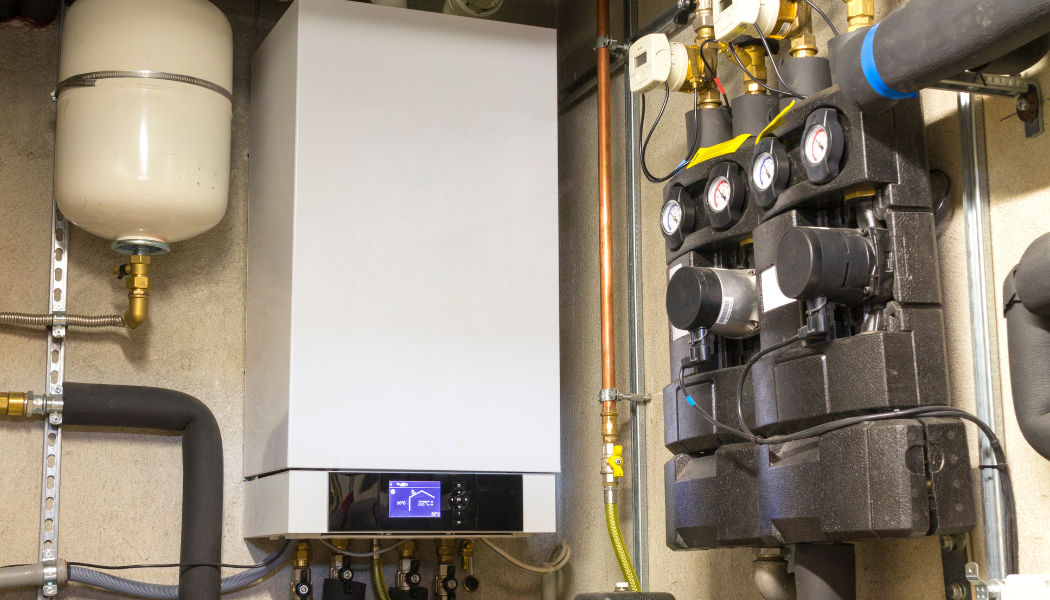
Best Practices for Marine Boiler Cleaning and Maintenance

Marine boilers play a critical role in vessel operations by generating steam for heating, fuel treatment, and essential onboard systems. Since these boilers work under high pressure and harsh marine conditions, regular cleaning and maintenance are necessary to keep them operating safely and efficiently. Without proper care, boilers can develop scale, corrosion, and soot buildup, which can reduce performance and increase the risk of costly breakdowns.

A well-maintained marine boiler not only improves operational efficiency but also extends the life of the equipment. Following the right maintenance practices helps vessel owners reduce fuel costs, improve safety, and avoid unexpected downtime.

Monitor Water Quality Regularly

Water quality is one of the most important factors in boiler maintenance. Poor water treatment can lead to scale formation, corrosion, and internal damage. Regular testing of boiler water helps maintain the right chemical balance and prevents harmful deposits from building up inside the system.

By keeping water conditions within recommended limits, marine operators can improve heat transfer efficiency and protect boiler components from long-term damage.

Perform Routine Blowdown

Blowdown is an essential process that removes sludge, dissolved solids, and impurities from the boiler. Over time, these particles settle inside the boiler and reduce efficiency.

Routine blowdown helps maintain clean internal surfaces, improves steam quality, and prevents overheating. Both bottom blowdown and surface blowdown should be carried out according to the vessel’s maintenance schedule.

Clean the Fire Side Frequently

Soot and carbon deposits often build up on the fire side of marine boilers. This buildup acts as insulation, reducing heat transfer and increasing fuel consumption.

Regular cleaning of burner tubes, furnace walls, and exhaust paths helps maintain efficient combustion and ensures the boiler performs at its best. Clean surfaces also lower the risk of excessive flue gas temperatures.

Inspect Boiler Tubes and Internal Parts

Boiler tubes are exposed to constant heat and pressure, making them vulnerable to wear, cracks, and corrosion. Regular inspections help identify weak areas before they become serious problems.

Checking internal components such as drums, valves, and mountings ensures everything is functioning properly and helps avoid sudden system failures.

Check Safety Valves and Gauges

Safety valves, pressure gauges, and water level indicators are essential for safe boiler operation. These components should be tested regularly to ensure accurate readings and proper pressure control.

Faulty safety equipment can lead to dangerous pressure buildup, which can put both the vessel and crew at risk.

Maintain Burner Efficiency

The burner is the heart of the boiler’s combustion system. Dirty nozzles, blocked fuel lines, or worn ignition parts can affect fuel burning efficiency.

Regular burner inspection and cleaning ensure smooth ignition, complete combustion, and lower fuel consumption, which improves overall system performance.

Inspect Insulation and Heat Loss Areas

Damaged insulation can cause heat loss and reduce boiler efficiency. Regularly checking insulation around the boiler, steam pipes, and valves helps keep heat contained where it is needed.

Good insulation reduces energy waste and supports stable steam production.

Follow a Planned Maintenance Schedule

Preventive maintenance is always better than emergency repairs. Creating a proper maintenance schedule for cleaning, inspections, and servicing helps keep the boiler in top condition.

A planned system reduces operational interruptions, improves reliability, and ensures compliance with marine safety regulations.

Conclusion

Marine boiler cleaning and maintenance are essential for safe and efficient vessel operations. By focusing on water treatment, routine cleaning, inspections, and preventive servicing, vessel owners can improve performance, lower fuel costs, and extend equipment life.

At Empire Marine, professional marine maintenance services help ensure that your boiler systems remain reliable and efficient, supporting smooth operations at sea.

The Importance of Professional Marine Audio Installation Services in Dubai

Professional Marine Audio Installation Services Dubai is home to a thriving marine industry, with luxury yachts, fishing boats, leisure vessels, and commercial watercraft frequently navigating its coastline and waterways. As boat owners continue to seek enhanced onboard experiences, marine audio systems have become an essential feature rather than a luxury. High-quality sound systems provide entertainment, create a relaxing atmosphere, and elevate the overall boating experience. However, achieving exceptional sound performance on the water requires more than simply purchasing premium speakers and amplifiers. Professional marine audio installation plays a critical role in ensuring that every component functions efficiently, safely, and reliably in the challenging marine environment.

Professional Marine Audio Installation Services

Marine audio systems differ significantly from conventional home or automotive audio setups. Boats and yachts operate in environments exposed to saltwater, humidity, intense sunlight, vibrations, and varying weather conditions. These factors can quickly damage improperly installed equipment and compromise audio quality. Professional installation services ensure that marine-grade audio components are correctly selected, positioned, wired, and protected, allowing vessel owners to enjoy outstanding performance for years to come.

Understanding the Unique Challenges of Marine Audio Systems

Professional Marine Audio Installation Services Installing audio systems on boats presents unique challenges that require specialized knowledge and experience. Unlike vehicles or residential spaces, boats have limited installation areas and constantly face exposure to harsh environmental conditions. Moisture infiltration, salt corrosion, and constant movement can affect electronic components if proper precautions are not taken during installation.

Professional marine audio technicians understand these challenges and use specialized techniques to safeguard equipment against environmental damage. They select marine-grade wiring, waterproof connectors, corrosion-resistant mounting hardware, and weatherproof enclosures designed specifically for marine applications. These measures significantly improve system durability and reduce the likelihood of equipment failure.

In addition, vessel layouts vary greatly depending on the size and purpose of the boat. Professional installers carefully assess the vessel’s design to determine the most effective locations for speakers, amplifiers, and control units. This customized approach ensures balanced sound distribution throughout the vessel while maximizing equipment performance.

Why Proper Speaker Placement Matters

One of the most important aspects of marine audio installation is speaker placement. The location of speakers directly impacts sound clarity, volume distribution, and overall listening experience. Improperly positioned speakers may result in uneven audio coverage, distortion, and reduced sound quality.

Professional installers analyze the vessel’s layout and acoustic characteristics before determining optimal speaker locations. They consider factors such as seating arrangements, deck configurations, cabin structures, and ambient noise levels. This detailed planning helps create a consistent listening experience across different areas of the boat.

For larger yachts and luxury vessels, multiple audio zones may be installed to provide customized sound control in different sections of the boat. Professional installation ensures seamless integration of these zones, allowing passengers to enjoy personalized audio settings without compromising overall system performance.

Enhancing Sound Quality Through Expert System Design

A marine audio system is only as effective as its overall design. Professional installers carefully match speakers, amplifiers, subwoofers, and source units to create a balanced and efficient audio setup. Each component must work together harmoniously to produce clear, powerful sound without distortion.

Marine environments often include significant background noise from engines, wind, and waves. Professional system designers account for these factors by selecting equipment capable of delivering sufficient power and clarity. They also tune the system to optimize performance under real-world operating conditions.

Through advanced calibration and sound optimization techniques, professional installers can significantly improve audio quality. The result is a richer, more immersive listening experience that enhances every journey on the water.

Protecting Valuable Audio Equipment from Marine Conditions

Marine electronics are continuously exposed to environmental stressors that can shorten their lifespan if not properly protected. Saltwater is particularly damaging because it accelerates corrosion and can compromise electrical connections. Professional Marine Audio Installation Services Excessive moisture and UV exposure can also deteriorate audio components over time.

Professional marine audio installation includes comprehensive protective measures designed to extend equipment longevity. Technicians use waterproof sealing methods, corrosion-resistant materials, and strategic mounting techniques to minimize exposure to harmful elements. Wiring systems are carefully routed and secured to prevent wear caused by vibrations and vessel movement.

These protective measures not only safeguard expensive equipment but also reduce maintenance requirements and long-term replacement costs.

Seamless Integration with Modern Marine Technology

Today’s marine audio systems are more advanced than ever before. Many modern systems integrate with navigation displays, mobile devices, wireless streaming platforms, and onboard control systems. Achieving seamless connectivity requires technical expertise and a thorough understanding of marine electronics.

Professional installers ensure that audio systems are properly integrated with existing onboard technology. This includes configuring Bluetooth connectivity, networked audio controls, digital signal processors, and multi-zone management systems. Proper integration allows users to control their entertainment systems effortlessly while maintaining system reliability and performance.

Professional Marine Audio Installation Services As smart boat technology continues to evolve, professionally installed audio systems can also be upgraded more easily to accommodate future innovations and new features.

Improving Safety Through Professional Installation

Safety is a critical consideration in any marine electrical project. Incorrect wiring, overloaded circuits, and poor installation practices can create significant risks, including electrical failures, short circuits, and fire hazards. Marine environments require strict adherence to safety standards and electrical regulations.

Professional marine audio installers follow industry best practices and established marine safety guidelines when designing and installing systems. They ensure that power requirements are properly calculated, circuit protection devices are installed, and all electrical connections meet marine-grade standards.

By prioritizing safety throughout the installation process, professional technicians help protect both passengers and valuable marine assets.

Increasing the Value of Boats and Yachts

A professionally installed marine audio system can significantly enhance the value and appeal of a vessel. Buyers increasingly seek boats equipped with modern entertainment systems that offer premium performance and reliability. High-quality audio installations contribute to a more luxurious onboard experience and create a positive impression during vessel inspections and evaluations.

Well-integrated audio systems demonstrate attention to detail and proper vessel maintenance, making boats more attractive to prospective buyers. As a result, professional marine audio upgrades often provide long-term value beyond their immediate entertainment benefits.

Supporting Luxury Boating Experiences in Dubai

Dubai is known worldwide for its luxury lifestyle and world-class yachting culture. Boat owners in the region expect exceptional comfort, convenience, and entertainment while enjoying time on the water. Premium marine audio systems play an important role in creating memorable onboard experiences for family gatherings, private cruises, social events, and corporate entertainment.

Professional installation ensures that every component performs at its highest potential, delivering crystal-clear sound throughout the vessel. Whether cruising along Dubai Marina, exploring the Arabian Gulf, or hosting guests aboard a luxury yacht, a professionally installed marine audio system enhances every moment on the water.

Choosing Professional Marine Audio Installation Services in Dubai

Selecting experienced marine audio specialists is essential for achieving optimal results. Professional installers bring technical expertise, industry knowledge, and practical experience to every project. They understand the unique demands of marine environments and can recommend solutions tailored to each vessel’s specific requirements.

From system design and equipment selection to installation, calibration, and ongoing support, professional marine audio services provide a complete solution for boat owners seeking superior entertainment performance. Investing in expert installation not only maximizes sound quality but also ensures reliability, safety, and long-term satisfaction.

Conclusion

Marine audio systems have become an integral part of modern boating, providing entertainment, comfort, and enjoyment for vessel owners and their guests. However, the quality and reliability of these systems depend heavily on proper installation. Professional marine audio installation services in Dubai offer the expertise needed to overcome environmental challenges, optimize sound performance, protect equipment, and ensure safe operation.

Why Upgrading to Marine LED Lighting Can Improve Safety and Energy Efficiency 

Whether you captain a superyacht across the waters of the Arabian Gulf or are responsible for a commercial craft operating from Dubai Maritime City, there is one modification that always produces outstanding results – installing high-quality marine LED lighting systems. This move will help you protect your crew, save your batteries, and lower your expenses on every journey.

Empire Marine International is a marine showroom based in the Middle East region that assists in providing all sorts of modifications, including marine LED lights. Here are some basic facts you should consider as an owner of a yacht.

The True Price of Inefficient Marine Lighting

Older marine halogen and incandescent lighting was designed decades ago before the modern age of advanced electronics and extended voyages where energy usage is high. The price you pay for using these lights is hidden:

  • High power consumption that burdens your alternator and batteries
  • Heat emission that makes fire hazardous on tight spaces like engine rooms
  • Quick replacement due to short bulb life, often during trips away from port
  • Poor illumination in important navigation areas due to low lumen output and poor color rendering

Given the harsh conditions aboard a boat – salty atmosphere, high humidity, vibrations, and sun exposure – their limitations add up rapidly. A broken bulb when underway in challenging conditions is dangerous.

5 Benefits of Using Marine LED Lighting to Increase Safety

1. Enhanced Visibility in Terms of Navigation and Collision Avoidance

The marine LED lights provide much better lumens-to-watt ratio compared to its counterparts. Higher luminosity makes navigating easier as navigation lights will be seen from far away, lowering the probability of collision in poor visibility – fog, rain, darkness, or passing through densely populated shipping routes such as the UAE coastline.In contrast to the halogen lamps, which get weaker in their intensity as time passes by, LED lamps stay consistently bright throughout their lifecycle.

2. Fast Illumination Upon Power Application

Every second counts when an emergency strikes. LEDs illuminate instantly without requiring any warm-up period. They light up immediately once the current hits them, providing immediate and efficient visibility.

3. Shockproof and Vibration Proof

Every single component aboard your boat will be subjected to vibration due to wave action, running of engines, and wake action. Conventional bulbs are equipped with filaments that are prone to breaking due to vibrations. LEDs don’t feature such filaments and are much safer in this regard.

4. Reduced Heat Output in Enclosed Spaces

The heat emitted by halogen or incandescent lights is another major issue. In spaces with combustible substances or vapours, this heat output increases the probability of fires. Unlike conventional fixtures, LEDs emit minimal heat, which decreases fire risk to a minimum.

5. Long Lifespan Decreases Accidents during Servicing

The necessity of servicing of traditional light sources implies certain risks for users since it is required to climb high or to work with water. Modern marine LEDs are expected to last for 30,000 – 50,000 hours.

How LED Lighting Improves Energy Efficiency 

Managing energy consumption on a boat is key. No matter if you’re operating from shore power, a generator, or even your battery powered by solar, every unit of electricity you save equates to direct savings in terms of fuel, increased passage capacity, and operational efficiency.

A Significant Drop in Electricity Usage

Compared to halogen or incandescent lamps that offer comparable lighting, marine-grade LED bulbs use up to 70-80% less electricity. On a boat using 20 cabin lights, navigation, cockpit, and underwater lights all together, this could amount to saving hundreds of watts of energy throughout the night.

Increased Battery Operation While Moored

If you’re a sailor or cruising lover who spends nights anchored – a frequent occurrence in numerous UAE anchorages as well as the rest of the Gulf region – LED lighting helps increase the battery operation time while anchored.

Lessened Engine and Generator Usage Times

The more time your generator spends powering up your battery that is drained of its energy means additional operating hours for your engine, and increased fuel consumption. By minimizing your lighting requirements, you save yourself from having to use your generator as often and as long as needed.

Decreased Thermal Burden on Air Conditioning

Since the temperatures in the Gulf area reach over 40°C regularly, the thermal output of your incandescent light sources will add to the thermal burden of your air conditioner. LED lights do not produce as much heat and will require less work from your AC unit.

Lumitec – The Benchmark of LED Lighting in the Marine Industry

At Empire Marine International, we are delighted to present our customers the exclusive right to distribute Lumitec – one of the premium brands in the field of lighting in the marine sector, which is used not only in commercial shipyards, but also in superyachts and yachts.

Lumitec creates its luminaires taking into account all characteristics of the marine environment:

  • construction from stainless steel grade 316 and marine polymer to ensure the ability to operate in salt water without corrosion;
  • waterproofness IP67 and IP68 of key collections of products;
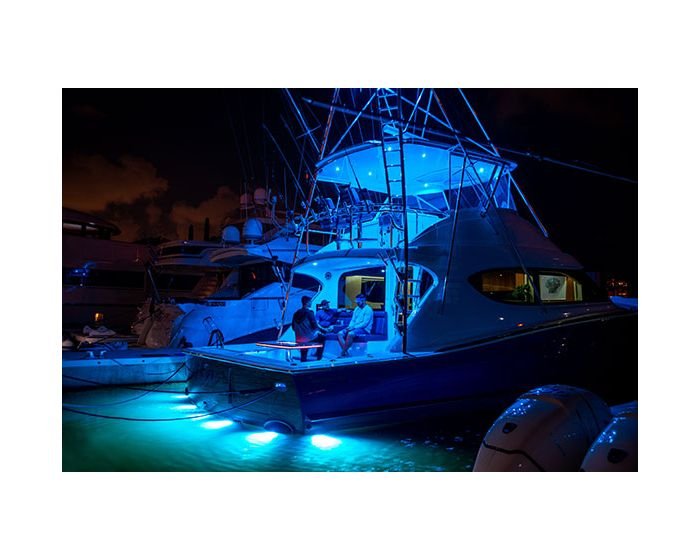
  • possibility of changing the spectrum of RGBW in SeaBlaze Typhoon Through-Hull Underwater Light;
  • conformity of navigation lighting with ABYC and USCG standards;
  • low electromagnetic interference that ensures non-interference of luminaires with electronic equipment on board the boat.

If you need interior lighting, underwater lighting, spreader lights, navigation lighting, and cockpit lighting, you can find everything in the catalog of the company Lumitec, and this range is available to our customers.

Points to Consider Before the Upgrade

When you are thinking of making your boat light-up system better, consider the following:

1. Compatibility with current installation. Most LED retrofit kits for boats will serve as a direct replacement for standard 12V or 24V DC lights. However, for some old models, there might be a need to change wires before installing the LED.

2. CRI (Colour Rendering Index). For work and navigation spaces, engine room, and any other place that requires you to see details clearly, go for a high CRI LED light (90+). Mood lights will be easier to achieve using RGB or warm white LED lamps.

3. Seal level and IP rating. Not all LED fixtures are made equally. You should always get a marine grade LED fixture that matches its application in terms of seal (IP) level – IP67 for deck/cockpit area, IP68 for underwater use.

4. Proper heat management. Quality marine LED fixtures come with heat management systems designed to manage generated heat efficiently. Poorly made, non-marine LED lamps that are put inside an enclosure could overheat and stop working earlier than expected.

5. Dimmability. Lumitec fixtures offer dimming through PWM and/or 0-10 volts of regulation, which in turn further lowers energy consumption.

Conclusion

An investment in LED lighting for your boat is one of the best investments you can make. It provides increased safety due to enhanced visibility and decreased danger of a fire breaking out. Moreover, it will lower energy consumption and extend battery life. Last but not least, you will be using a reliable brand such as Lumitec that requires no maintenance at all.It is not an upgrade that you should hesitate with. It is the smart move to make on your modern boat under challenging conditions.

Marine LED Lighting at Empire Marine

Empire Marine International is the official distributor of Lumitec in the Middle East, providing services to shipyards, yacht manufacturers and private owners throughout the UAE and other countries of the region. We are located at Dubai Maritime City, Staff Accommodation Building, Ground Floor, Showroom 01. You can also find our complete selection online at marine.wideweb.ae.

The Contribution of Marine Equipment Suppliers to Sustainable Maritime Operations

Contribution of Marine Equipment Suppliers The maritime industry is the backbone of global trade, transporting millions of tons of cargo across oceans every year. As international trade continues to expand, the need for sustainable maritime operations has become more important than ever. Environmental concerns, stricter regulations, and the growing demand for energy-efficient shipping have encouraged the maritime sector to adopt sustainable practices. In this transformation, marine equipment suppliers play a significant role by providing innovative solutions, advanced technologies, and environmentally friendly equipment that help shipping companies reduce their environmental impact while maintaining operational efficiency.

Marine equipment suppliers are more than just providers of products. They act as strategic partners for ship owners, operators, shipyards, and offshore industries by supplying the essential tools, machinery, and systems required for modern maritime operations. Contribution of Marine Equipment Suppliers Their contribution to sustainability extends across various aspects of the maritime industry, from reducing emissions and improving fuel efficiency to supporting waste management and ensuring compliance with international environmental standards.

Understanding Sustainable Maritime Operations

Sustainable maritime operations refer to the implementation of practices and technologies that minimize the environmental impact of shipping activities while ensuring economic viability and operational effectiveness. The shipping industry faces increasing pressure to reduce greenhouse gas emissions, protect marine ecosystems, and improve resource efficiency.

International organizations and regulatory bodies have introduced strict environmental standards to address issues such as air pollution, fuel consumption, ballast water management, and waste disposal. As a result, shipping companies are actively seeking solutions that help them comply with these regulations while maintaining competitiveness in the global market.

Contribution of Marine Equipment Suppliers This growing focus on sustainability has increased the demand for advanced marine equipment and innovative technologies, making marine equipment suppliers essential contributors to the industry’s environmental goals.

The Role of Marine Equipment Suppliers in Reducing Emissions

One of the most significant contributions of marine equipment suppliers is helping vessels reduce harmful emissions. Traditional marine engines and systems often produce substantial amounts of carbon dioxide, sulfur oxides, and nitrogen oxides. To address this challenge, suppliers provide modern equipment designed to improve energy efficiency and lower emissions.

Advanced engine components, fuel optimization systems, exhaust gas cleaning systems, and emission control technologies enable vessels to operate more efficiently while meeting international environmental requirements. These solutions help shipping companies reduce their carbon footprint and contribute to global efforts to combat climate change.

Marine equipment suppliers continuously invest in research and development to create innovative products that support cleaner and greener shipping operations. Contribution of Marine Equipment Suppliers By making these technologies accessible to vessel operators worldwide, they play a crucial role in achieving sustainability objectives.

Supporting Energy Efficiency in Shipping

Energy efficiency is a fundamental aspect of sustainable maritime operations. Fuel costs represent a significant portion of a vessel’s operating expenses, making efficient energy management essential for both environmental and economic reasons.

Marine equipment suppliers offer a wide range of energy-efficient products, including advanced propulsion systems, energy-saving devices, high-performance pumps, efficient lighting systems, and intelligent monitoring technologies. These solutions help vessels consume less fuel while maintaining optimal performance.

Modern marine equipment also allows operators to monitor fuel usage, engine performance, and energy consumption in real time. This data-driven approach enables shipping companies to identify inefficiencies, optimize operations, and reduce unnecessary fuel expenditure.

By supplying energy-efficient equipment, marine suppliers contribute directly to lower operating costs and reduced environmental impact across the maritime industry.

Promoting the Use of Environmentally Friendly Technologies

The maritime industry is increasingly adopting environmentally friendly technologies to meet sustainability targets. Marine equipment suppliers play a central role in this transition by providing innovative solutions that support cleaner operations.

Alternative fuel systems, hybrid propulsion technologies, electric-powered equipment, and renewable energy integration are becoming more common in modern vessels. Suppliers help ship operators access these advanced technologies and implement them effectively.

Many suppliers also offer equipment designed to support future-ready vessels that can adapt to evolving environmental regulations and technological developments. This proactive approach helps the maritime sector remain competitive while moving toward long-term sustainability.

Enhancing Waste Management and Pollution Prevention

Effective waste management is critical for protecting marine ecosystems and ensuring compliance with environmental regulations. Marine equipment suppliers provide specialized systems that help vessels manage waste responsibly and prevent pollution.

Modern waste treatment systems, oily water separators, sewage treatment plants, garbage management equipment, and ballast water treatment systems enable ships to minimize their environmental impact during operations. These technologies help prevent harmful substances from being discharged into oceans and waterways.

Suppliers ensure that their products meet international standards and provide reliable performance under demanding maritime conditions. As a result, shipping companies can operate with greater confidence while protecting marine environments.

Supporting Compliance with International Maritime Regulations

The maritime industry is governed by numerous environmental regulations aimed at promoting sustainability and protecting marine ecosystems. Compliance with these regulations requires the use of certified equipment and reliable operational systems.

Marine equipment suppliers help vessel operators meet these requirements by offering products that comply with international standards and environmental guidelines. Contribution of Marine Equipment Suppliers They provide technical expertise, product certifications, and ongoing support to ensure proper implementation and maintenance.

By helping shipping companies navigate complex regulatory requirements, suppliers contribute to safer, more sustainable maritime operations while reducing the risk of penalties and operational disruptions.

Improving Vessel Performance and Longevity

Sustainability is not only about environmental protection but also about maximizing the lifespan and efficiency of maritime assets. High-quality marine equipment contributes to improved vessel performance, reduced maintenance requirements, and extended operational life.

Reliable equipment minimizes downtime, prevents costly breakdowns, and ensures consistent performance throughout a vessel’s service life. This reduces the need for frequent replacements and lowers the overall consumption of resources.

Marine equipment suppliers provide durable products specifically designed for harsh marine environments, helping operators achieve long-term sustainability goals while maximizing return on investment.

Driving Innovation in the Maritime Industry

Innovation is a key driver of sustainability, and marine equipment suppliers are at the forefront of technological advancement in the maritime sector. Through continuous investment in research and development, suppliers introduce new products and solutions that address emerging environmental challenges.

Smart monitoring systems, predictive maintenance technologies, digital fleet management tools, and automation solutions are transforming maritime operations. These innovations improve efficiency, reduce resource consumption, and enhance overall sustainability.

As technology continues to evolve, marine equipment suppliers will remain essential partners in helping the maritime industry adopt innovative practices and achieve environmental objectives.

The Economic Benefits of Sustainable Marine Equipment

Sustainable maritime operations offer significant economic advantages in addition to environmental benefits. Energy-efficient equipment reduces fuel consumption, lowers maintenance costs, and improves operational reliability.

Marine equipment suppliers help shipping companies identify cost-effective solutions that deliver long-term value. Investments in sustainable technologies often result in reduced operating expenses, improved vessel performance, and enhanced competitiveness in the global shipping market.

Contribution of Marine Equipment Suppliers By providing products that balance environmental responsibility with economic efficiency, suppliers contribute to the overall success and sustainability of maritime businesses.

Conclusion

Marine equipment suppliers play an indispensable role in advancing sustainable maritime operations. Through the supply of innovative technologies, energy-efficient systems, pollution prevention equipment, and regulatory compliance solutions, they help the maritime industry reduce its environmental impact while improving operational performance.

As global shipping continues to evolve, the demand for sustainable solutions will only increase. Marine equipment suppliers will remain key contributors to this transformation by supporting cleaner, safer, and more efficient maritime operations. Their expertise, innovation, and commitment to quality are essential for building a more sustainable future for the global maritime industry.

What is the difference between marine AC and residential AC?

One assumption made by many individuals is that the function of a marine air conditioner is similar to that of an AC in a residential setting. In reality, although both units perform the same tasks – cooling down an enclosed area – they have notable differences when it comes to construction and functionality. To make sure that yacht owners, commercial boat operators, and marine enthusiasts are fully aware of their needs when purchasing the best possible unit for their vessels, Empire Marine provides maintenance and services to support your boat’s air conditioning.

Marine Air Conditioning System Information

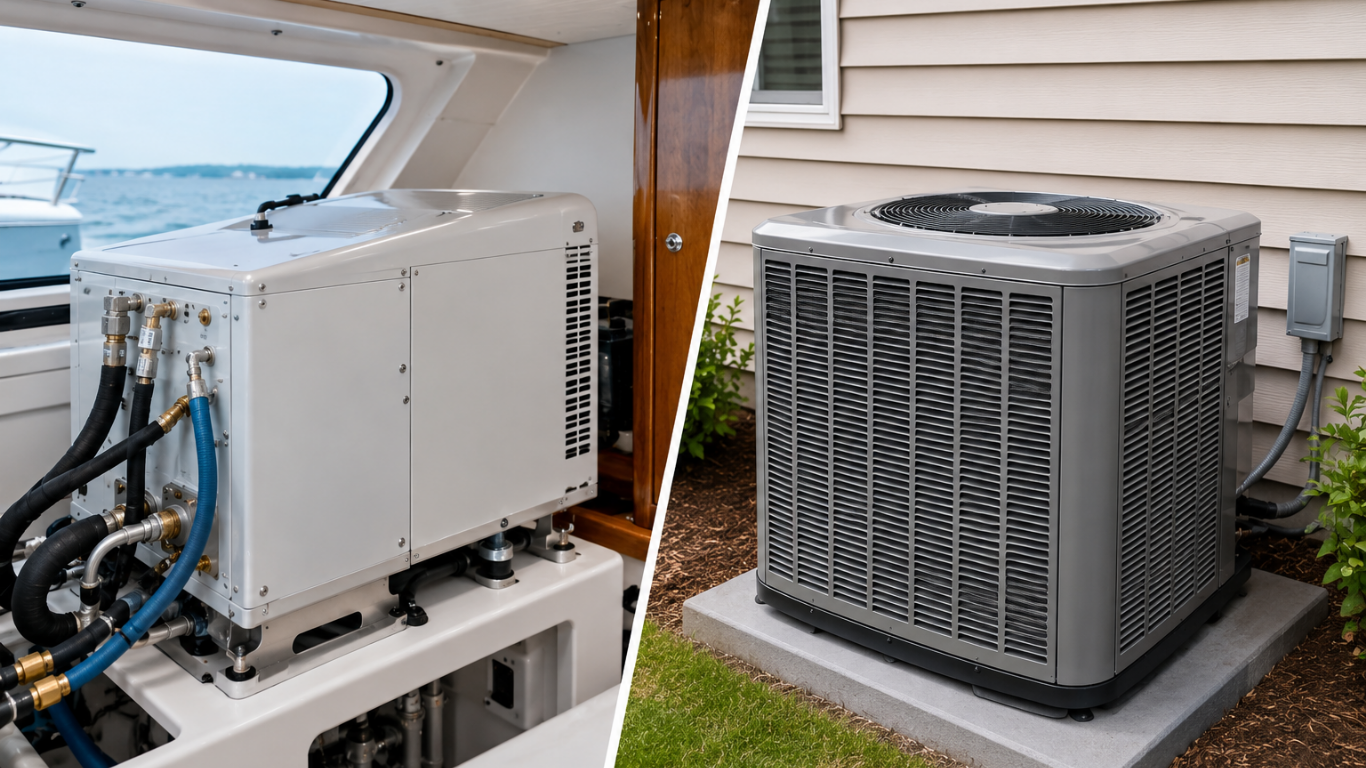
The marine air conditioning systems are designed exclusively for boat, yacht, ship, and offshore vessel usage. While domestic units are operated in favorable environments, marine air conditioners have to be capable of operating under difficult conditions such as water, moisture, vibrations, and lack of installation space. In many cases, marine AC units incorporate seawater in their operation process as the cooling fluid.

Defining a Residential Air Conditioner

Residential air conditioners are meant to cool homes and apartments built on the ground. Such machines utilize outside condensing units that allow heat transfer from the system into the outside atmosphere. As a result, residential air conditioners are not made to withstand movement, salt air, or seawater.

Differences between Marine AC and Residential AC

1. Heat Transfer

The first main difference is in the process of removing the heat.

Marine AC:

  • Utilizes seawater/raw water circulation for heat removal from the condenser.
  • Needs pumps, strainers, and specialized marine piping systems.
  • Built to function effectively regardless of the tightness of vessel space.

Residential AC:

  • Uses air outside the house for removing heat from the condenser.
  • Air flow needed around the condenser for its effective operation.
  • Not designed for use on board a ship or boat.The marine AC system depends greatly on a steady supply of water, while the residential AC system uses air.

3.Resistance to Corrosion

Salt water is among the most damaging elements for machinery.

Marine AC:

  • Made from materials resistant to corrosion.
  • Contains specialized protective coating and marine-quality parts.
  • Built to handle salt-filled air and water.

Residential AC:

  • Intended for inland or city settings.
  • The components will quickly become corroded in marine environments.

This increased protection against corrosion is what makes marine air conditioning systems more expensive than residential systems.

3. Installation Requirements

The marine environment usually has very little space available for installing machinery.

Marine AC:

  • Small, tailored for specific installations aboard ships.
  • Can be either a self-contained system, split system, or chilled water system.
  • Customized for installation in cabins, engine rooms, and restricted spaces.

Residential AC:

  • Dedicated inside and outside units are necessary.
  • More space is required during installation.

Many yachts and commercial ships need custom HVAC designs to make the best use of available space.

4. Energy Sources

The power source is greatly different from home to vessel.

Marine AC:

  • Runs on shore power, onboard generator power, or marine inverter.
  • Should be adapted to changing power sources.

Residential AC:

  • Runs on consistent grid power.

It is important that marine AC should always have consistent performance despite power sources being inconsistent on vessels.

5. Strength and Anti-Vibration Properties

Buildings do not move as compared to vessels which always remain on the go.

Marine AC:

  • Durable and tough enough to withstand vibrations, waves, and movement of the vessel.
  • Components are fixed in a manner that can bear with movement.

Residential AC:

  • Built for stationary places only.
  • Cannot withstand vibrations and constant movement.

Reasons Why Residences Air Conditioning is Unsuitable for a Boat

Boat owners might consider using a residential air conditioning unit to save money. But residential air conditioners do not possess:

  • Protection from corrosion
  • Marine electrical parts
  • Compactness suitable for vessels
  • Ability to cool with seawater
  • Construction to withstand vibration

Installation of residential air conditioning in a boat can result in malfunctioning and inefficiency of the unit.

Choosing the Right Marine AC Solution

The choice of the most appropriate marine AC system is influenced by various considerations, including the size of the ship, the operating conditions, and the energy sources. Contemporary marine HVAC systems are characterized by better thermal management, improved energy efficiency, enhanced silence during operations, and increased comfort on board.

Conclusion

Even though marine AC systems and residential AC systems may seem the same, they function very differently due to their varying environments. Marine air conditioning units have been designed to operate in salty environments, withstand motion, operate within confined spaces, and work under difficult circumstances. On the contrary, residential AC units are meant to cool stationary houses and do not have the necessary durability to withstand marine conditions. Acquiring a marine AC unit guarantees efficiency and the ability to protect your boat.